Paxoi, located in the Ionian Sea, is a cluster of small islands belonging to the region of Corfu. Their total area is 25.3 square kilometers, with a population of approximately 2,253 residents. The island has a humid, warm climate with frequent rainfall. The flora of the island includes wildflowers, 55 species of wild orchids, aromatic and medicinal plants, olive trees, and more. The fauna comprises colorful butterflies, skinks (tropical lizard), migratory birds, among others. The island’s beaches are picturesque and incredibly azure, best explored by boat.
According to mythology, Paxoi was created by the god Poseidon, who, with his trident, struck a part of Corfu, resulting in it being severed from the rest of the island, forming Paxoi.Poseidon’s intention was to live out his love with the nymph Amphitriteon this new island. Myth has it that in Poseidon’s attempt to separate the islands, he lost his trident, which was found by the inhabitants of Paxoi and became their emblem. In 1386, Paxoi was conquered by the Venetians, and due to continuous pirate raids, Baron Adam II built two castles. In 1797, the island fell into the hands of the French, later replaced by Russians and Turks until 1801. Various conquerors occupied the island until 1864, when it was incorporated into the Greek state along with the rest of the Ionian Islands.
Where to go
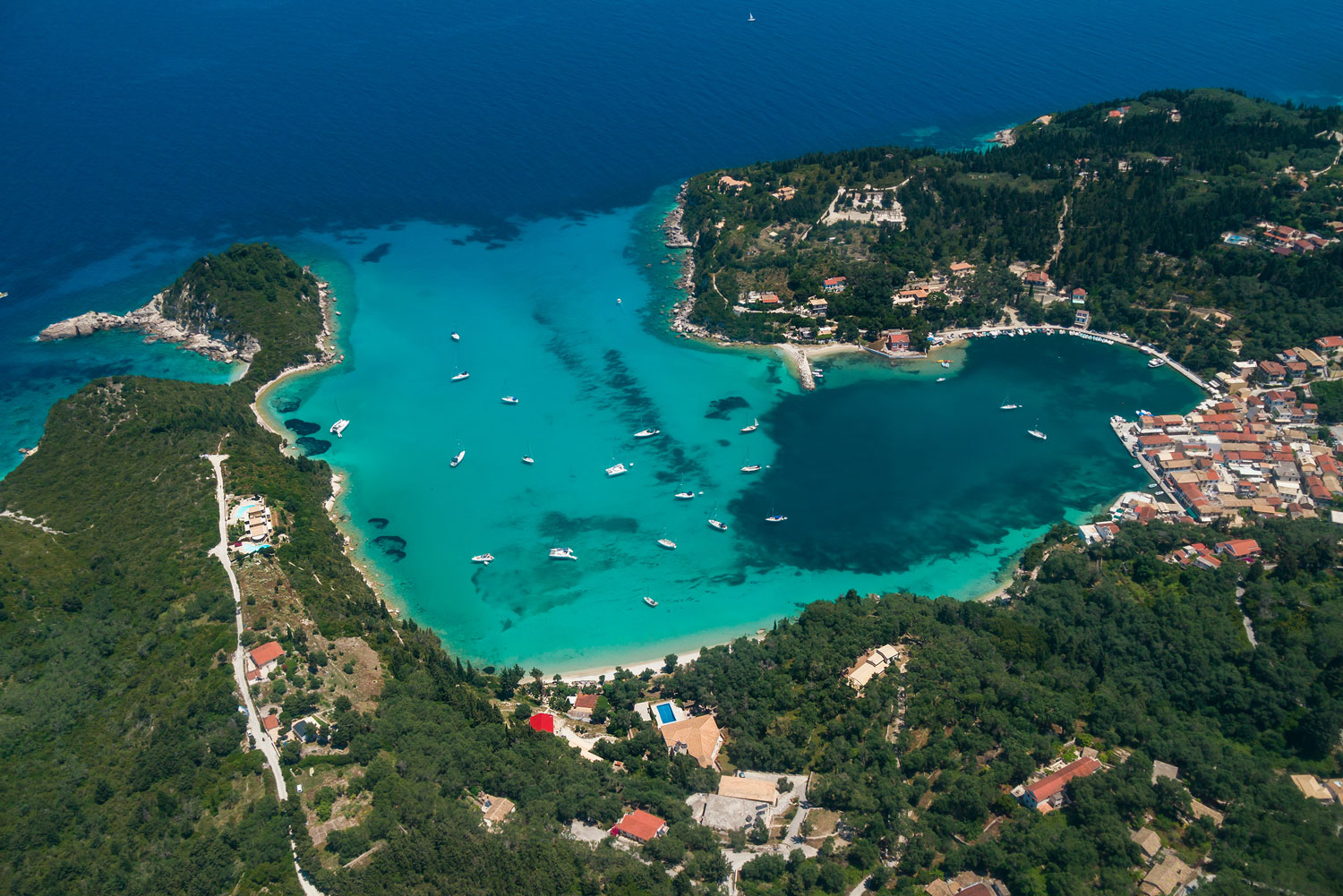
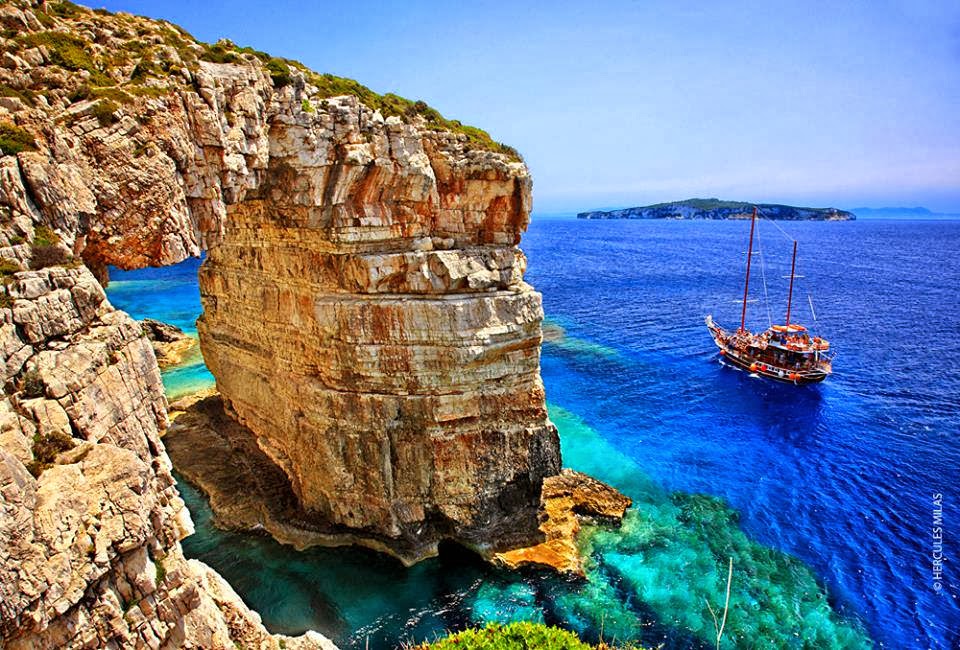
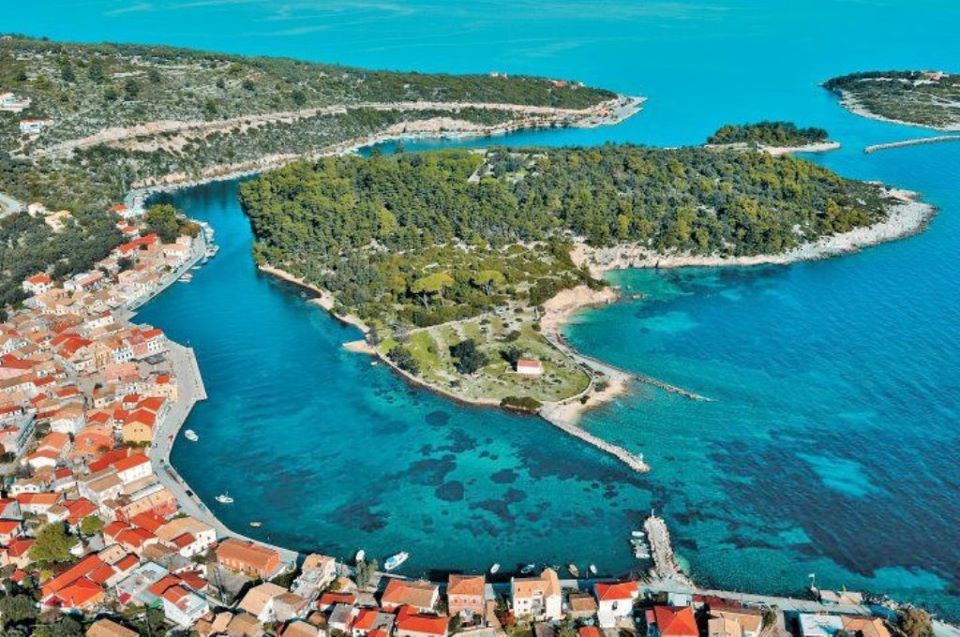
In Paxoi, you will find beautiful, picturesque beaches with crystal-clear waters. The beach of Lakka is the second-largest resort on the island and features a marina for those visiting by boat. Here, you can explore caves that are safe for families with children. The best sandy beach on the island is Mongonissi, near the capital, Gaios. This islet, connected to Paxoi by rocks, boasts an amazing coastline. Levrechio Beach is ideal for fishing enthusiasts and snorkeling. Near Logos, you’ll find Monodendri Beach, which is large and organized. The Tafos Caves are continuous caves providing an opportunity for a swim in their turquoise waters. Other beaches include Gianna, Balos, Agia Marina, Kloni Gouli, Kaminia, Kaki Lagada, Alati, Kipiadi, Marmaria, Glyfada, Arkoudaki, Oros, Kanoni, Hrami, Planos, Achai, Galazio, and Avlaki. The settlements on the island include Lakka, with its small alleys and refreshing green landscape. Logos, renowned for its good food and fresh fish in its tavernas and Gaios, the capital and port of the island, where you can wander through its alleys and buy souvenirs and local products from its shops.
Must see:
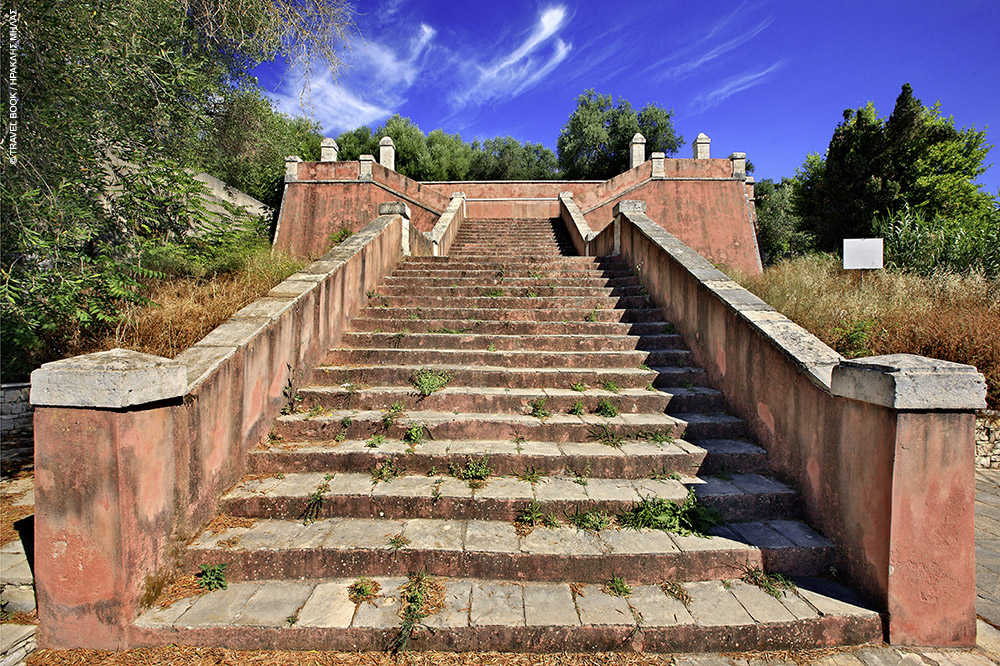
On the island, you can visit its thermal springs located in Ozias, Gianna, and Glyfada. Stone cisterns, constructed by the locals for water retention, can be observed in Agia Eleousa in Megalo Vicha, in the area of Boikatika, and beyond Fanariotatika. In Lakka, you’ll be able to see the stone lighthouse dating back to 1832, standing at a height of 36 meters. In the settlement of Logos, visit the church of Zoodochos Pigi. In Gaios, you can go to the Byzantine Castle in Agios Nikolaos, the English Governor’s House on the quay, and the Church of the Ascension. Moreover, the Paxos Museum, established in 1996, exhibits items from classical times to World War II. Finally, in Ozias, you’ll encounter the ruins of Agios Stefanos, further the early Christian basilica of Agia Marina, and in Kaltsonisi, the church of Agios Spyridon.